
President Donald Trump made history today by declaring that the United States will become a “Bitcoin superpower” during a virtual address to the Blockworks Digital Asset Summit, marking the first time a sitting U.S. president has spoken directly at a cryptocurrency conference. The unprecedented presidential endorsement sent Bitcoin prices soaring above $86,000, breaking a four-month downtrend and signaling a new era of government support for digital assets.
Trump’s bold declaration came alongside promises to eliminate regulatory barriers hindering cryptocurrency innovation, including the controversial Operation Chokepoint 2.0, and reiterated his stance against the government selling confiscated Bitcoin holdings. The address represents a dramatic shift in federal cryptocurrency policy and positions the United States as a global leader in digital asset adoption.
Historic Presidential Endorsement
The president’s appearance at the Digital Asset Summit carries significant symbolic weight, as no sitting president has previously engaged directly with the cryptocurrency industry at this level. Trump’s participation signals mainstream acceptance of digital assets as a legitimate component of the U.S. economy and financial system.
During his address, Trump emphasized the strategic importance of Bitcoin and cryptocurrency technology for maintaining American economic leadership in the 21st century. He framed digital assets as essential for preserving U.S. financial sovereignty and competing with other nations that are rapidly developing their own cryptocurrency frameworks.
The president’s remarks were met with enthusiastic response from the cryptocurrency community, with many industry leaders describing the address as a watershed moment for the industry. The direct presidential engagement provides legitimacy that cryptocurrency advocates have sought for years.
Regulatory Reform Promises
Central to Trump’s address was his commitment to dismantling regulatory barriers that have constrained cryptocurrency innovation in the United States. The president specifically targeted Operation Chokepoint 2.0, a controversial regulatory initiative that critics argue has unfairly restricted cryptocurrency businesses’ access to banking services.
Trump promised to direct federal agencies to adopt more supportive approaches to cryptocurrency regulation, emphasizing the need for clarity rather than restriction. He called for a regulatory framework that encourages innovation while protecting consumers, suggesting that the current approach has driven cryptocurrency businesses and talent overseas.
The president’s regulatory reform promises include reviewing and potentially reversing SEC enforcement actions against cryptocurrency companies, establishing clearer guidelines for digital asset classification, and ensuring that U.S. regulatory agencies coordinate their approaches rather than working at cross purposes.
Bitcoin Strategic Reserve Implications
Perhaps most significantly, Trump reaffirmed his opposition to the U.S. government selling confiscated Bitcoin holdings, suggesting these assets should be retained as part of a strategic national reserve. This position aligns with growing calls among cryptocurrency advocates for the United States to establish a strategic Bitcoin reserve similar to its strategic petroleum reserve.
The president’s stance on confiscated Bitcoin could have substantial market implications, as the U.S. government holds significant quantities of Bitcoin obtained through law enforcement actions. Maintaining these holdings rather than selling them removes potential downward pressure on Bitcoin prices and signals long-term government confidence in the asset.
Trump’s support for a strategic Bitcoin reserve represents a fundamental shift in how the federal government views cryptocurrency, elevating it from a speculative asset to a strategic reserve asset worthy of inclusion alongside gold and other traditional reserve assets.
Market Response and Technical Analysis
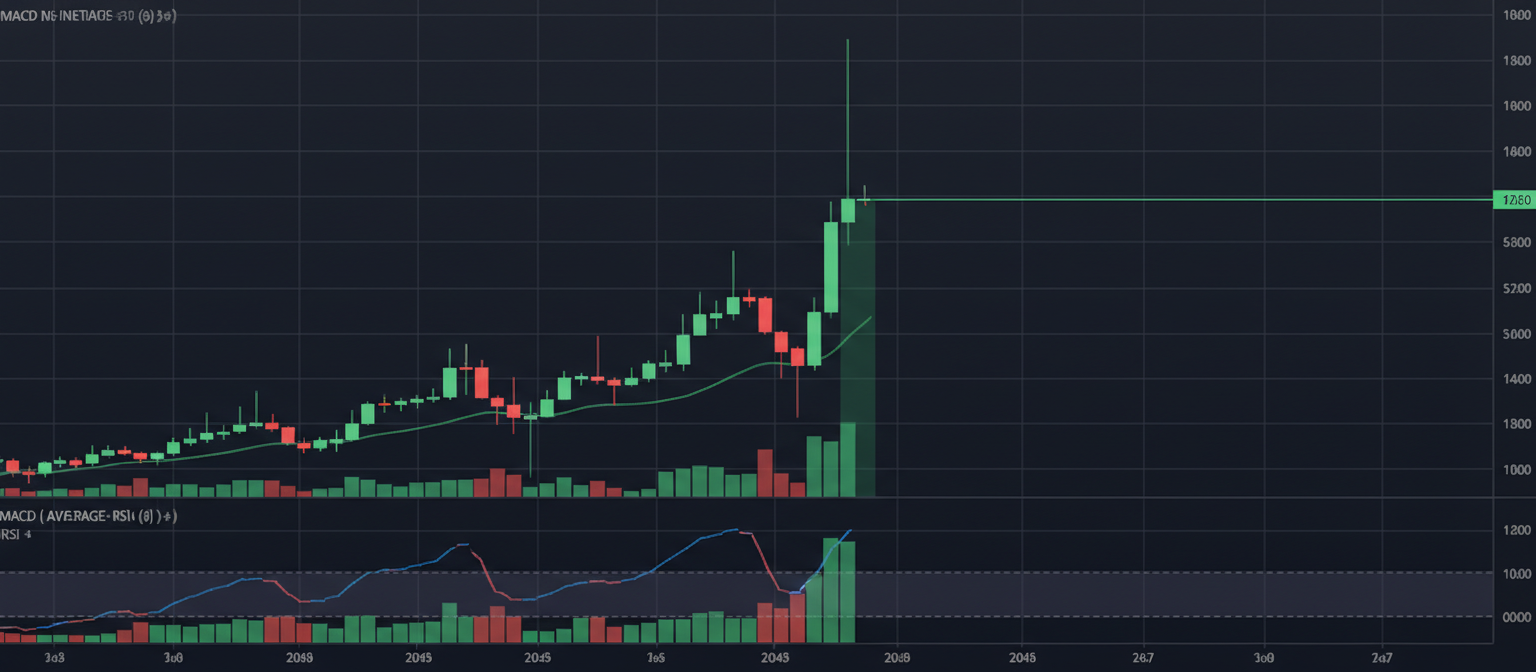
The immediate market response to Trump’s address was dramatic, with Bitcoin prices surging above $86,000 and breaking through key technical resistance levels. The cryptocurrency successfully reclaimed important moving averages that had been acting as resistance during the four-month downtrend, suggesting the beginning of a new bullish phase.
Technical analysts noted that Bitcoin’s ability to break above the $85,000 level on substantial volume indicates strong buying pressure and shifting market sentiment. The move above key technical levels suggests that the prolonged downtrend may have finally ended, with the market potentially entering a new accumulation phase.
However, some trading firms cautioned that initial enthusiasm might be tempered by broader macroeconomic factors, including the Federal Reserve’s cautious economic outlook and relatively hawkish stance on interest rates. The Fed’s recent downgrade of growth projections could limit upside potential in the short term, even as the regulatory environment becomes more favorable.
International Competitive Context
Trump’s emphasis on making the United States a “Bitcoin superpower” reflects growing international competition in the cryptocurrency and digital asset space. Countries including El Salvador, which has adopted Bitcoin as legal tender, and China, which is developing its own central bank digital currency, have taken different approaches to cryptocurrency integration.
The president’s address suggests a recognition that the United States risks falling behind other nations if it fails to embrace cryptocurrency innovation and create a supportive regulatory environment. By positioning the U.S. as a leader in Bitcoin adoption and cryptocurrency development, Trump aims to ensure that American companies and innovators can compete effectively in the global digital asset marketplace.
This international competitive dimension adds strategic importance to Trump’s cryptocurrency initiatives, framing them as essential for maintaining American economic and technological leadership rather than merely domestic policy considerations.
Institutional Response and Future Outlook
Institutional investors and financial industry leaders responded positively to Trump’s address, with many expressing increased confidence in the long-term prospects for cryptocurrency investment in the United States. The presidential endorsement provides the regulatory certainty that institutional investors have been seeking, potentially opening the floodgates for increased institutional allocation to digital assets.
Major financial institutions, including banks and asset managers, indicated that Trump’s regulatory reform promises could accelerate their cryptocurrency integration plans. Many institutions have been developing cryptocurrency capabilities but have moved cautiously due to regulatory uncertainty.
Looking ahead, industry observers expect that Trump’s address will be followed by concrete policy initiatives and executive orders aimed at reforming cryptocurrency regulation. The coming months could see significant changes in how federal agencies approach cryptocurrency supervision, potentially creating a more favorable environment for innovation and investment.
Implications for the Cryptocurrency Industry
For the cryptocurrency industry, Trump’s address represents a validation of years of advocacy and engagement with policymakers. The presidential endorsement provides legitimacy that could accelerate mainstream adoption and attract new investment to the sector.
The promised regulatory reforms could reduce compliance costs and legal uncertainties that have constrained cryptocurrency business development in the United States. Companies that have shifted operations overseas due to regulatory hostility may consider returning to the U.S. market, potentially reversing the trend of cryptocurrency innovation moving abroad.
Perhaps most importantly, Trump’s address signals that cryptocurrency has become too significant to ignore at the highest levels of government. This recognition could lead to more sophisticated policy approaches that balance innovation promotion with consumer protection, rather than treating cryptocurrency as a marginal or temporary phenomenon.
This article reflects information available as of March 20, 2025. Policy positions and market conditions may evolve rapidly, and readers should consult current sources for the latest developments.