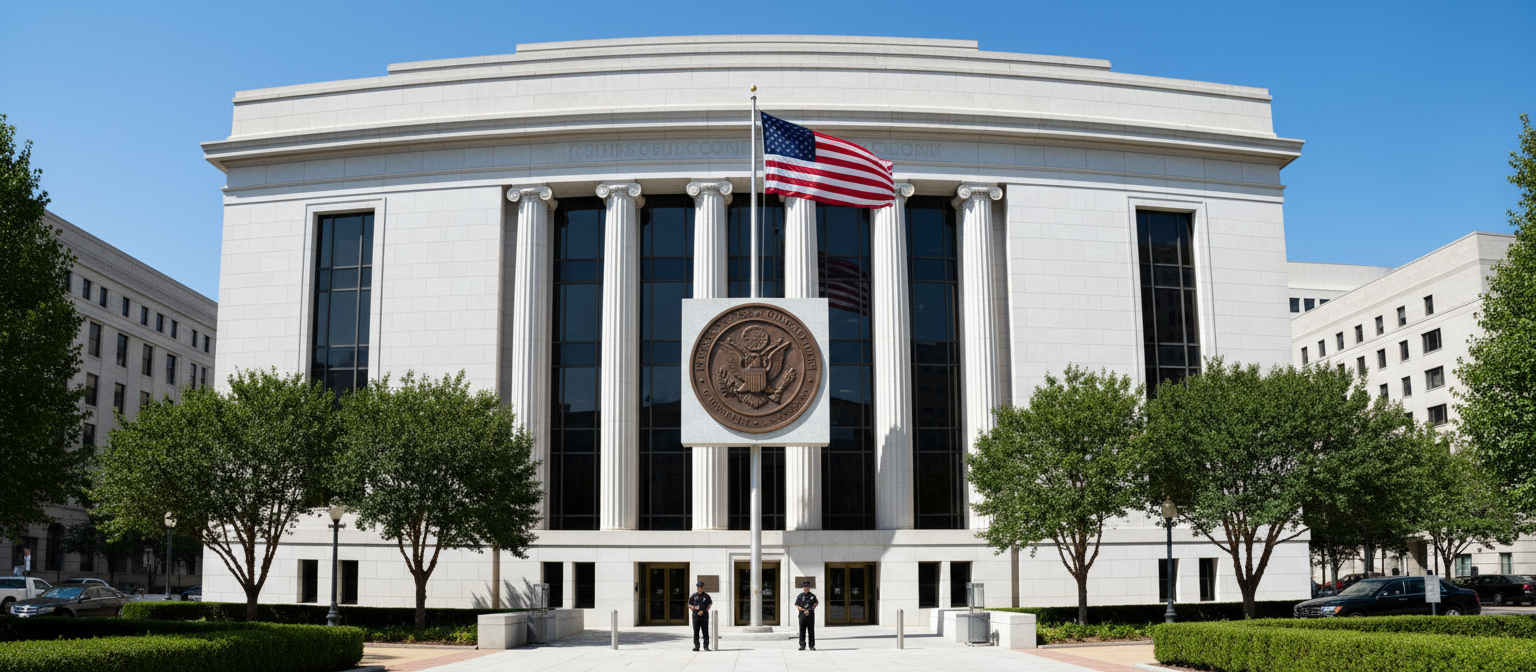
The Securities and Exchange Commission has formally withdrawn a set of controversial regulatory proposals aimed at decentralized finance (DeFi), marking a dramatic policy reversal under the Trump administration and signaling a new era of crypto regulation. The decision, announced Thursday, represents one of the most significant shifts in the agency’s approach to digital assets since Chair Paul Atkins took the helm.
The withdrawn rules would have subjected DeFi platforms to the same registration requirements as traditional exchanges, a move that had sparked widespread backlash from crypto developers and policy groups who argued the requirements were fundamentally incompatible with decentralized protocols. The SEC’s announcement marks the second major reversal of Gensler-era policy in recent months, following the rescission of Staff Accounting Bulletin 121.
End of an Era: Gensler’s DeFi Framework Withdrawn
The now-scrapped rules, introduced under former Chair Gary Gensler, represented what many in the crypto industry viewed as an attempt to fit square pegs into round holes—applying traditional securities regulations designed for centralized financial intermediaries to inherently decentralized systems. The proposals would have forced DeFi platforms to register with the SEC under the same framework used for centralized trading venues, raising fundamental questions about how decentralized systems could possibly comply.
Beyond the exchange-like registration requirements, the SEC also dropped a separate proposal that would have imposed stricter custody requirements on crypto platforms. Both measures had been criticized as unfairly targeting decentralized applications while failing to acknowledge their structural differences from traditional financial intermediaries.
The withdrawal of these rules reflects a broader acknowledgment within the agency that a one-size-fits-all approach to financial regulation may not be appropriate for the rapidly evolving cryptocurrency ecosystem.
Atkins’ “Innovation-First” Approach Takes Hold
Under Chair Paul Atkins, the commission has stepped back from the aggressive enforcement posture that characterized the Gensler era, taking concrete steps to ease compliance burdens on crypto companies. Atkins, who has consistently advocated for an “innovation-first” approach to regulation, recently indicated that DeFi platforms deserve a regulatory framework that acknowledges their structural differences from traditional financial intermediaries.
This philosophical shift represents more than just a change in personnel—it signals a fundamental rethinking of how the SEC approaches emerging financial technologies. Rather than viewing decentralization as a regulatory challenge to be overcome, the Atkins-led SEC appears to recognize it as a legitimate technological innovation that may require new regulatory approaches.
The policy shift aligns with broader trends in the Trump administration, which has consistently advocated for reducing regulatory barriers to innovation while maintaining appropriate investor protections. This approach contrasts sharply with the previous administration’s focus on enforcement-first regulation.
Legislative Momentum Builds in Congress
The SEC’s policy reversal comes as lawmakers on Capitol Hill are moving quickly to codify new crypto frameworks. Two key pieces of legislation are nearing final votes in Congress, both reflecting the more crypto-friendly approach that has gained momentum in recent months:
The CLARITY Act, aimed at defining agency roles and responsibilities in the crypto space, has garnered bipartisan support as lawmakers seek to provide clearer guidelines for both regulators and industry participants. The legislation would help establish jurisdictional boundaries between different regulatory agencies, reducing the regulatory uncertainty that has plagued the industry.
Separately, the GENIUS Act, which focuses specifically on stablecoin regulation, represents another attempt to create a comprehensive regulatory framework for digital assets. The bill seeks to establish clear rules for stablecoin issuers while maintaining appropriate safeguards for users and the broader financial system.
Both pieces of legislation reflect a growing consensus in Washington that the crypto industry needs clear, predictable rules rather than reactive enforcement actions.
Market and Industry Response
The crypto industry has welcomed the SEC’s policy shift, with many viewing it as a long-overdue correction to the overly aggressive regulatory approach of the previous administration. DeFi protocols, which had been operating in a state of regulatory uncertainty, may now have clearer guidance on how to structure their operations to comply with securities laws.
Traditional financial institutions, which had been cautious about engaging with DeFi protocols due to regulatory uncertainty, may now be more willing to explore partnerships and integrations with decentralized platforms. This could accelerate the mainstream adoption of DeFi technologies and blur the lines between traditional and decentralized finance.
However, some consumer advocacy groups have expressed concern that the regulatory rollback could expose investors to greater risks. They argue that while innovation is important, it shouldn’t come at the expense of investor protection, particularly in a space as complex and rapidly evolving as DeFi.
Implications for DeFi Development
The SEC’s policy shift is likely to have significant implications for DeFi development in the United States. With the threat of enforcement actions reduced, developers may be more willing to innovate and experiment with new financial products and services. This could lead to a resurgence of DeFi development activity in the U.S., which had slowed during the regulatory crackdown of the Gensler era.
DeFi protocols may also be more willing to seek formal regulatory guidance or engage in proactive compliance efforts, knowing that the agency is taking a more collaborative approach to regulation. This could lead to the development of best practices and industry standards that balance innovation with appropriate investor protections.
The policy shift may also make the United States more competitive in the global DeFi landscape. Other jurisdictions, such as the European Union and Singapore, have already developed more comprehensive frameworks for digital assets, and the U.S. risked falling behind if it maintained its enforcement-heavy approach.
Challenges and Considerations Ahead
While the SEC’s policy reversal represents a significant positive development for the crypto industry, challenges remain. The agency still needs to develop a coherent framework for regulating DeFi that addresses legitimate concerns about investor protection without stifling innovation.
Key questions that will need to be addressed include:
- How should the SEC approach the regulation of truly decentralized protocols that have no central entity to regulate?
- What level of disclosure and transparency should be required from DeFi projects?
- How can the agency ensure that investors are protected from fraud and manipulation without imposing overly burdensome requirements?
- What role should industry self-regulation play in the DeFi ecosystem?
These are complex questions that will require careful consideration and collaboration between regulators, industry participants, and other stakeholders.
Looking Ahead
The SEC’s withdrawal of the Gensler-era DeFi rules marks a turning point in crypto regulation in the United States. While the immediate impact is positive for the industry, the long-term effects will depend on how the agency develops its new regulatory framework and how Congress moves forward with comprehensive crypto legislation.
For now, the policy shift provides a much-needed period of regulatory clarity that could accelerate innovation and investment in the DeFi space. As the industry continues to evolve, the challenge will be to strike the right balance between fostering innovation and maintaining appropriate investor protections.
The coming months will be crucial in determining how this new regulatory approach takes shape and what it means for the future of decentralized finance in the United States.
This analysis reflects regulatory developments as of June 15, 2025. The regulatory landscape for cryptocurrencies and DeFi continues to evolve rapidly, and readers should consult current sources for the latest developments.