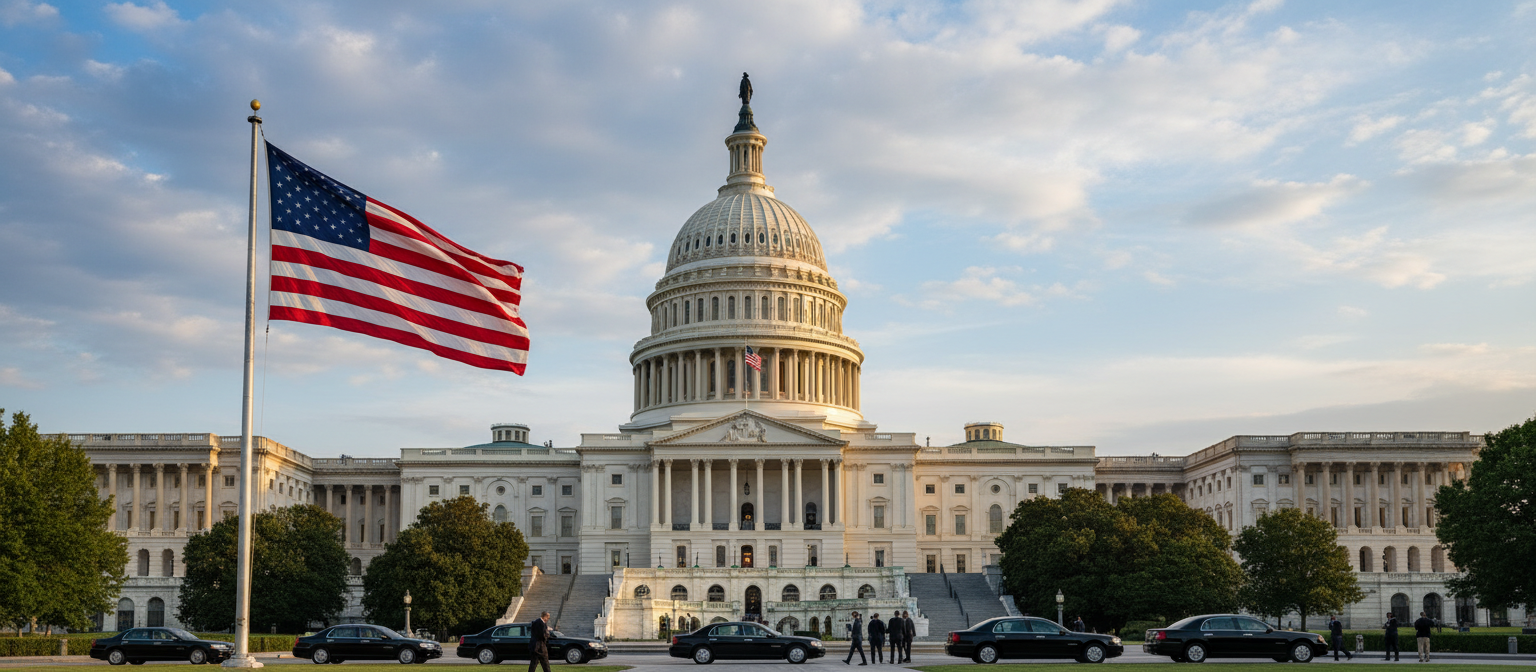
House Republicans have successfully inserted a provision banning the Federal Reserve from issuing a central bank digital currency (CBDC) into the National Defense Authorization Act (NDAA), a must-pass defense spending bill that outlines military funding and priorities for the 2026 fiscal year. The strategic move ensures the CBDC prohibition will become law, circumventing potential legislative hurdles that a standalone bill might face.
The sweeping language, added to the nearly 1,300-page defense policy bill, would prohibit the Federal Reserve from testing, studying, developing, creating, or implementing any digital currency or asset. The provision also bars the central bank from offering financial products or services directly to individuals, representing a significant victory for privacy advocates and critics of government-controlled digital currency.
Strategic Legislative Maneuvering
The inclusion of the CBDC ban in the defense bill represents a masterful example of congressional strategy. The NDAA is considered “must-pass” legislation essential for national security, making it extremely difficult for opponents to block or amend provisions attached to it. This approach virtually guarantees the CBDC prohibition will become law, despite potential resistance from the Federal Reserve or other government agencies.
The move comes after House Majority Leader Steve Scalise promised conservative hardliners that a CBDC ban would be added to the defense legislation as part of a deal to advance other crypto-related bills. In July, a group of Republican holdouts refused to move forward on three crypto bills unless guaranteed passage of a CBDC ban, staging a nine-hour stalemate that was the longest in House history.
Comprehensive Ban on Federal Digital Currency
The defense bill provision includes comprehensive language that would:
- Prohibit the Federal Reserve from issuing any digital currency or asset
- Ban the central bank from offering financial products or services directly to individuals
- Prevent the Fed from testing, studying, developing, creating, or implementing digital currencies
- Stop the central bank from creating pilot programs or experimental digital currency projects
Importantly, the legislation includes a carve-out for stablecoins, specifying that the bill does not prohibit “any dollar-denominated currency that is open, permissionless, and private.” This distinction ensures that privately-issued stablecoins can continue to operate while preventing government-issued digital alternatives.
Political Context and Trump Administration Support
The CBDC ban aligns with President Donald Trump’s executive order in January prohibiting CBDCs, demonstrating consistent Republican opposition to government-issued digital currency. Trump has consistently expressed concerns about CBDCs potentially enabling government surveillance and control over citizens’ financial transactions.
The legislation also reflects broader conservative concerns about privacy, financial freedom, and government overreach. By embedding the CBDC ban in defense legislation, Republicans have ensured that these principles will be protected even if political control of Congress or the White House changes in future elections.
Legislative History and Evolution
House Republicans have been working to ban CBDCs for several years. Representative Tom Emmer first introduced the CBDC Anti-Surveillance State Act in early 2023, but the legislation died with the last Congress without coming to a vote. Emmer reintroduced the bill in the current Congress, where it passed the House in July with a narrow 219-210 vote.
However, the standalone bill faced an uncertain future in the Senate, where bipartisan support for a CBDC ban was less certain. By including the prohibition in the NDAA, House Republicans have ensured the measure will become law regardless of Senate action on the standalone legislation.
Impact on Federal Reserve Digital Currency Plans
The provision effectively ends any Federal Reserve plans to develop or implement a CBDC, at least for the foreseeable future. The central bank had been researching digital currency options for several years, exploring potential benefits such as improved payment system efficiency and financial inclusion.
However, critics had raised significant concerns about privacy, government surveillance, and the potential for CBDCs to displace private banking relationships. The defense bill provision addresses these concerns by prohibiting the Fed from moving forward with any digital currency initiatives.
Privacy and Civil Liberties Implications
The CBDC ban represents a significant victory for privacy advocates and civil liberties organizations concerned about government surveillance. A government-issued digital currency could potentially give federal agencies unprecedented access to citizens’ financial transactions and spending patterns.
By prohibiting CBDC development, the legislation preserves the existing system where private financial institutions and payment processors handle digital transactions, maintaining separation between government and citizens’ financial activities. This separation is seen as essential for protecting financial privacy and preventing potential government overreach.
International Context and Competitive Implications
The U.S. CBDC ban stands in contrast to developments in other countries, where central banks are actively developing or implementing digital currencies. China has already launched its digital yuan, and the European Central Bank is advancing its digital euro project.
However, supporters of the U.S. ban argue that it preserves American values of privacy and financial freedom while encouraging innovation in the private sector. Rather than having the government compete with private companies in the digital currency space, the U.S. approach allows private stablecoin issuers and cryptocurrency projects to innovate without government competition.
Technical Implementation and Enforcement
The defense bill provision includes clear enforcement mechanisms that would prevent the Federal Reserve from circumventing the ban. The language prohibits not only the creation of CBDCs but also the testing, studying, or development of such systems, closing potential loopholes that the Fed might attempt to exploit.
The legislation also bars the central bank from offering financial services directly to individuals, preventing any end-run around the prohibition through alternative program structures. This comprehensive approach ensures that the CBDC ban will be effective and legally enforceable.
Impact on Cryptocurrency and Financial Technology
The CBDC ban is expected to have significant implications for the broader cryptocurrency and financial technology sectors. By eliminating government competition in the digital currency space, the legislation creates opportunities for private stablecoin issuers, cryptocurrency projects, and fintech companies to innovate and grow.
The stablecoin carve-out in the legislation is particularly important, as it ensures that privately-issued, dollar-denominated digital currencies can continue to operate and expand. This could accelerate the development of private payment solutions while maintaining the U.S. dollar’s dominance in digital finance.
Future Outlook and Potential Challenges
While the CBDC ban in the defense bill is virtually certain to become law, future legislative challenges may emerge. Opponents of the ban may attempt to amend or repeal the prohibition in future legislation, particularly if other countries’ CBDCs prove successful.
However, the inclusion of the ban in must-pass defense legislation makes it more difficult to reverse, as any changes would require overcoming the same legislative hurdles that the original ban faced. This provides strong protection for the prohibition against future political or administrative changes.
Conclusion: Landmark Victory for Financial Freedom
The successful inclusion of a CBDC ban in the National Defense Authorization Act represents a landmark victory for financial freedom, privacy, and limited government principles. The strategic legislative maneuvering ensures that the United States will not develop a government-issued digital currency, preserving the existing system of private financial innovation and competition.
As the defense bill moves toward final passage and President Trump’s signature, the CBDC prohibition will become law, setting a significant precedent for how the United States approaches digital currency regulation and financial privacy. The legislation sends a clear message that in America, financial innovation will remain in the private sector rather than under government control.
This analysis reflects legislative developments as of August 21, 2025. The implementation and impact of the CBDC ban will continue to evolve as the legislation takes effect and regulatory agencies adapt to the new requirements.