
Brazil made cryptocurrency history yesterday when Hashdex launched the world’s first spot XRP exchange-traded fund on the B3 stock exchange, beating the United States and other major markets in offering regulated institutional access to Ripple’s native token.
The XRPH11 ETF began trading on April 25, 2025, marking a watershed moment for XRP and underscoring Brazil’s increasingly progressive stance on cryptocurrency investment products even as U.S. regulators continue deliberating similar applications.
Historic First for XRP Investment Products
The Hashdex XRP ETF, trading under ticker symbol XRPH11, represents the first spot exchange-traded fund anywhere in the world providing direct exposure to XRP through a regulated investment vehicle. The fund tracks the Nasdaq XRP Reference Price Index and commits to allocating at least 95% of its net assets to XRP, either through direct holdings or XRP-related derivatives.
This launch positions Brazil ahead of the United States, where multiple XRP ETF applications remain pending with the Securities and Exchange Commission despite growing institutional demand for diversified cryptocurrency exposure beyond Bitcoin and Ethereum.
For Hashdex, XRPH11 marks the company’s ninth cryptocurrency ETF on the Brazilian exchange, expanding a product lineup that already includes funds tracking Bitcoin, Ethereum, and other digital assets. The launch demonstrates Hashdex’s commitment to offering Brazilian investors comprehensive cryptocurrency exposure through regulated, accessible investment vehicles.
Regulatory Background and Approval Process
The path to XRPH11’s launch began in February 2025, when Brazil’s securities regulator, the Comissão de Valores Mobiliários (CVM), approved the fund’s structure and offering documents. The relatively swift approval process—taking just two months from regulatory green light to market debut—contrasts sharply with the extended delays facing similar products in other jurisdictions.
Brazil’s regulatory framework for cryptocurrency investment products has evolved significantly over the past two years, with the CVM establishing clear guidelines for digital asset funds while maintaining investor protection standards. This regulatory clarity has enabled asset managers like Hashdex to bring innovative products to market efficiently.
The CVM’s approval of XRPH11 reflects growing comfort with XRP as an investable asset, particularly following Ripple’s partial legal victory against the SEC in the United States. While regulatory uncertainty surrounding XRP’s classification continues in some jurisdictions, Brazil’s securities regulator appears satisfied that appropriate investor protections and disclosures enable institutional access through ETF structures.
Fund Structure and Fees
XRPH11 is administered by Genial Investimentos, a Brazilian financial services firm serving as both administrator and custodian for the fund. Genial Bank SA provides custody services for the underlying XRP holdings, addressing one of the key operational challenges in cryptocurrency fund management.
The fee structure aims for competitive positioning within Brazil’s cryptocurrency ETF landscape:
- Management fee: Maximum 0.7% annually covering administration, management, and distribution costs
- Custody fee: Capped at 0.1% per year for secure storage of XRP holdings
- Total expense ratio: Approximately 0.8% annually
These fees align with Hashdex’s other single-asset cryptocurrency ETFs and remain competitive compared to international cryptocurrency fund offerings. The relatively modest fee structure reflects both operational efficiencies in cryptocurrency fund management and competitive pressure within Brazil’s growing digital asset investment market.
According to Samir Kerbage, Chief Investment Officer at Hashdex, “XRPH11 is part of our mono-asset fund line, aimed at sophisticated and institutional investors looking to diversify their crypto portfolios on B3.” The fund targets professional investors seeking XRP exposure without the operational complexities of direct cryptocurrency ownership, exchange account management, and private key custody.
First-Day Trading and Market Reception
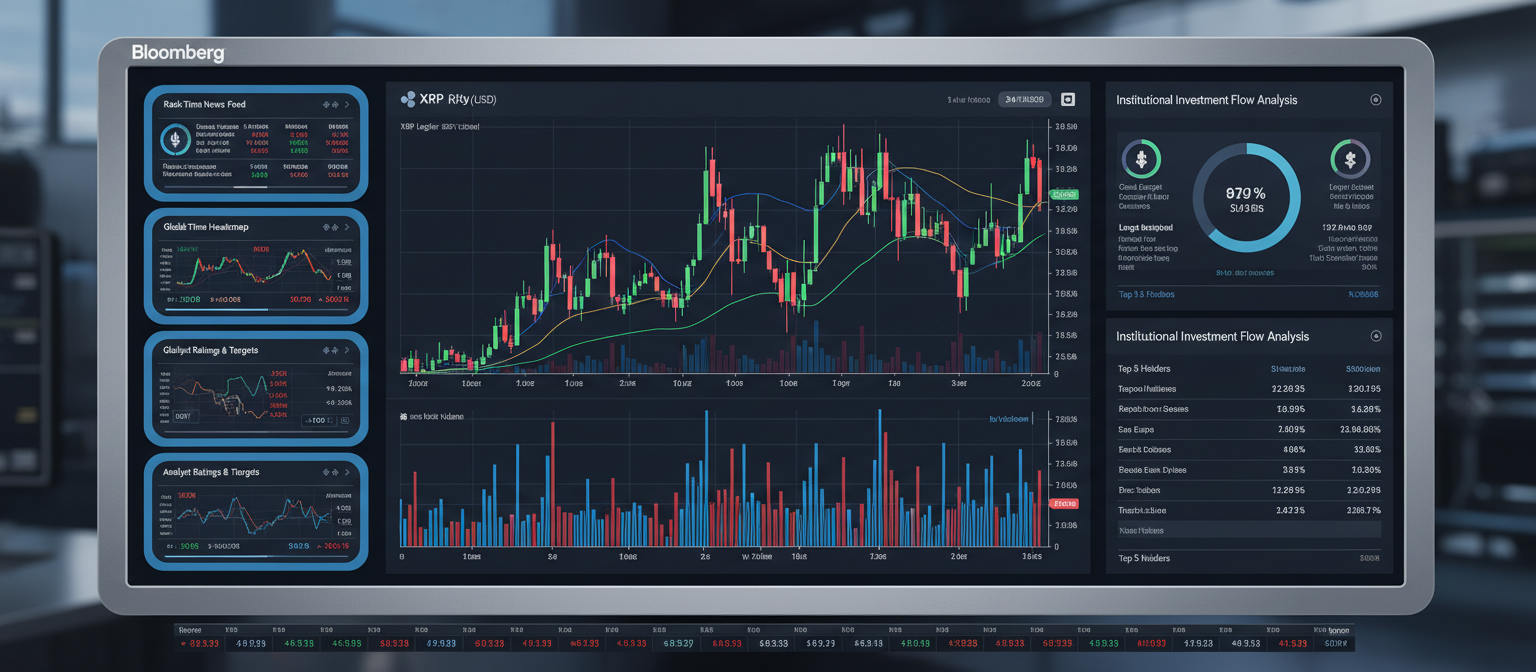
While detailed first-day volume figures have not yet been released, the ETF opened at an intraday share price of R$19.76 (Brazilian reais), with initial net equity standing at approximately R$551 million. The successful launch without technical issues or major price dislocations suggests adequate preparation by both Hashdex and B3 exchange infrastructure.
Market participants will be closely watching XRPH11’s trading volumes and asset flows in coming weeks to gauge institutional appetite for XRP exposure through regulated vehicles. Early trading activity will help establish whether demand exists primarily among retail investors or if larger institutional allocations materialize.
The launch comes as XRP trades around $2.20, having recovered substantially from lows earlier this year but remaining well below all-time highs reached during previous market cycles. Some analysts project significant upside potential for XRP, with JPMorgan estimating that spot XRP ETFs globally could attract up to $8 billion in net inflows if multiple markets approve such products.
Implications for Global XRP ETF Market
Brazil’s first-mover advantage with XRPH11 raises questions about when other major markets will follow suit. The United States, despite being home to Ripple and having the world’s largest ETF market, continues working through regulatory considerations that have delayed XRP ETF approvals.
Several U.S. asset managers have filed applications for spot XRP ETFs with the SEC, but none have received approval as of April 2025. The regulatory landscape remains complicated by ongoing legal questions about XRP’s status, despite Ripple’s partial court victory establishing that XRP sales on secondary markets do not constitute securities transactions.
The contrast between Brazil’s approval and U.S. delays highlights diverging regulatory philosophies. While U.S. regulators adopt a cautious approach emphasizing investor protection and market integrity concerns, Brazilian authorities appear more willing to greenlight cryptocurrency products when adequate disclosure and operational safeguards exist.
If XRPH11 demonstrates successful operation and healthy investor demand, it could influence regulatory thinking in other jurisdictions. Successful real-world implementation often provides the track record that conservative regulators require before approving novel product structures.
Context: Brazil’s Cryptocurrency Leadership
The XRPH11 launch extends Brazil’s track record of cryptocurrency innovation and adoption. The country boasts one of Latin America’s most active cryptocurrency markets, with high retail adoption rates and a growing institutional infrastructure.
Brazil previously demonstrated regulatory leadership by approving Bitcoin and Ethereum ETFs ahead of many developed markets. The B3 exchange now hosts multiple cryptocurrency investment products, creating a competitive marketplace that offers investors diverse exposure options across the digital asset spectrum.
According to CoinShares, XRP-focused investment funds globally manage approximately $950 million in assets under management, demonstrating substantial institutional interest in gaining XRP exposure. XRPH11 provides Brazilian investors direct access to this market segment through a familiar, regulated structure.
The country’s cryptocurrency-friendly regulatory environment stems partly from high inflation rates and currency volatility that have driven citizens toward alternative stores of value. This grassroots adoption created political and economic incentives for regulators to establish clear frameworks rather than impose restrictive bans.
What This Means for XRP and Ripple
For Ripple Labs and the broader XRP ecosystem, Brazil’s ETF approval represents validation and a significant milestone. The launch provides institutional legitimacy that could influence perceptions in other markets and among traditional financial institutions evaluating XRP partnerships.
Ripple has actively developed use cases for XRP in cross-border payments and remittances, with particular focus on Latin American corridors. Brazil’s approval of an XRP ETF could accelerate institutional adoption of Ripple’s payment solutions by reducing regulatory uncertainty and demonstrating that major financial authorities view XRP as a legitimate digital asset.
The timing also proves fortuitous given Ripple’s ongoing regulatory developments in the United States. While legal questions persist, international regulatory approvals like Brazil’s XRPH11 authorization help establish XRP’s credentials as a global digital asset rather than a U.S.-specific regulatory challenge.
Looking Ahead: U.S. Approval Timeline Uncertain
The key question facing the global XRP investment community is whether and when U.S. regulators will follow Brazil’s lead. The SEC has approved Bitcoin and Ethereum spot ETFs but has not yet greenlit products tracking other cryptocurrencies despite multiple pending applications.
Several factors could influence the U.S. approval timeline:
Legal clarity: Final resolution of Ripple’s legal proceedings with the SEC could remove regulatory obstacles, though the recent partial court victory has not yet translated into ETF approvals.
Market precedent: Successful operation of international XRP ETFs like XRPH11 could provide the real-world evidence U.S. regulators traditionally require before approving novel products.
Political pressure: Growing cryptocurrency adoption and institutional demand may create political incentives for regulatory agencies to establish clear frameworks rather than delay indefinitely.
Competitive considerations: If other major markets approve XRP ETFs while the U.S. delays, competitive concerns about America’s position in financial innovation could influence policy decisions.
For now, Brazilian investors enjoy first-mover access to regulated XRP exposure through XRPH11, while investors in other jurisdictions await their regulators’ decisions. The coming months will reveal whether Brazil’s approval represents an isolated development or the beginning of a global wave of XRP ETF launches.
This article reflects information available as of April 26, 2025.